
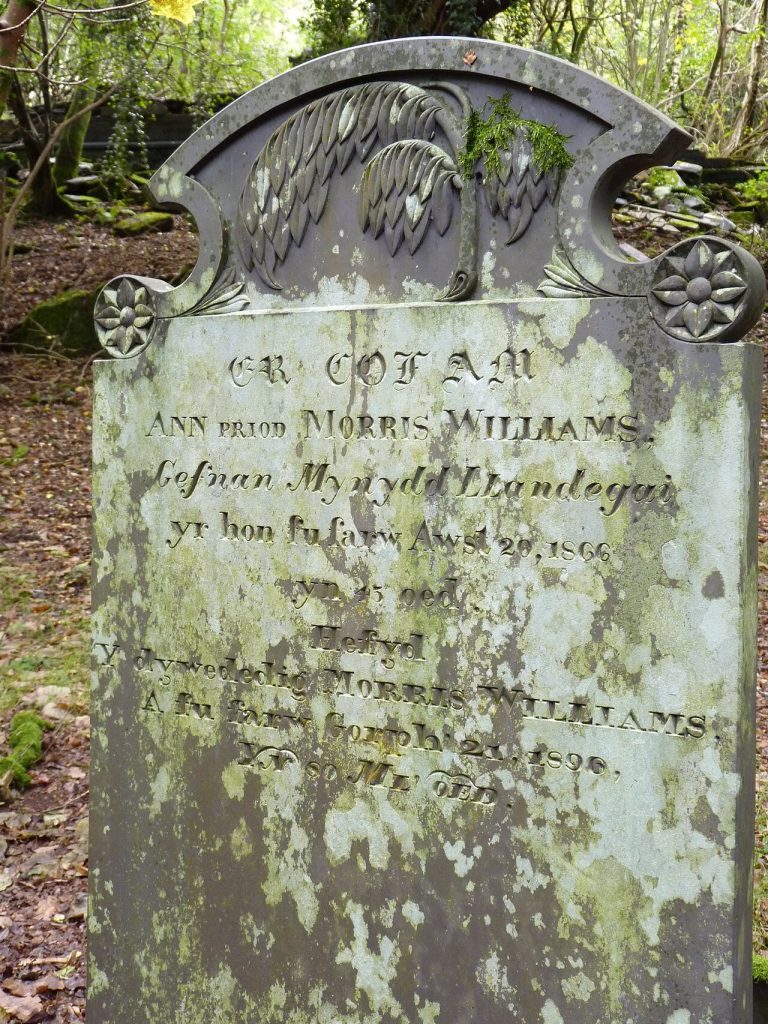
Gravestone templates give families a starting point at a time when decisions are hard. A good layout shows where the name, dates, symbol and short inscription sit, so you can picture the finished memorial before anything is carved. This guide walks through the common formats and the practical details that are easy to miss.
What gravestone templates include
Most templates are simple drawings or editable files that show the outline of the stone with guides for text areas. Typical elements are:
- Full name, usually the largest line.
- Birth and death dates, set smaller beneath the name.
- A short inscription, such as a line of verse or a personal phrase.
- An optional symbol, photograph or border.
Templates are not legal documents and do not replace the memorial mason’s own drawing. They help you explain what you want.
Common shapes and formats
Upright headstones are the most familiar. Flat markers and slanted ledgers sit close to the ground and are common in cemeteries with maintenance rules. Double stones carry two names side by side, which suits couples. Each cemetery may restrict height, width and materials, so confirm the regulations before you choose a layout.
Writing the inscription
Keep it short. Stone is expensive to carve and long text becomes hard to read from a distance. Consider including:
- The person’s full name as they were known.
- Dates in a consistent format.
- A relationship, such as “beloved mother”, if you wish.
- One line of meaning: a favourite saying, a short verse or a simple word of love.
Read the text aloud and ask a second person to proofread the spelling of every name. Mistakes are very costly to correct.
Choosing fonts and spacing
Classic serif fonts are the usual choice because they carve cleanly and age well. Avoid thin decorative scripts for small text, since fine strokes weather faster. Leave generous margins around the lettering; crowding makes a stone look heavy.
Symbols and images
Common symbols include crosses, flowers, doves and religious motifs. Etched portraits are available on some granite. Ask the mason for samples so you can see the detail level.
How to use a template with a mason
Print the layout or send the file, mark where each line should sit, and add the exact text in writing. Ask for a proof drawing and approve it in writing before work begins. Our guide on how to make a will can also be useful for the wider planning that families often do at the same time.
Planning documents around the memorial
Along with the stone, families often prepare an order of service and thank-you notes. A set of letter templates can help with the wording, and invitation templates can be adapted for a memorial gathering.
Costs and timing
Prices depend on material, size and lettering style. Allow several weeks for carving, and note that cemeteries may require a settling period before a stone can be placed.
Questions to ask the memorial mason
Before you approve a design, it helps to ask a few practical questions. What stone and finish do you recommend for this climate? How deep will the lettering be cut, and is it filled with paint or left plain? What foundation will the stone sit on, and who is responsible for it later? Is there a warranty against defects or fading?
Ask to see photographs of previous work with similar lettering. Looking at real stones in a cemetery, at different times of day, also shows how shadows and weathering change the look.
Taking your time
There is rarely a deadline you must hit within days. Many families wait several months so they can think clearly. A temporary marker can serve in the meantime. A calm, unhurried decision usually leads to a design the family is still happy with years later.
A note on tone and personal touches
Some families prefer a single warm sentence over a long verse. Others choose a symbol that reflects a hobby, a trade or a place that mattered. Whatever you pick, let it sound like the person. When in doubt, ask relatives to suggest favourite sayings and choose together; shared decisions usually feel right later.
Seasonal and care considerations
Check how the stone will be maintained. Cemeteries may clean or inspect stones on a schedule, and moss or lichen can obscure lettering over time. Gentle cleaning with water and a soft brush is usually safe, but ask the mason before using any product. A well-chosen stone and a clear layout will remain readable for generations.
Documents that often accompany a memorial
Families may need a burial or interment permit, the cemetery’s rules and an approval form for the stone. Keep copies of each in one folder. Having them together makes it much easier if questions arise, and helps relatives who take over the task later.
Frequently asked questions
Can I design a gravestone myself?
Yes, as long as the design fits cemetery rules. The mason will usually finalize the drawing.
What is the best material?
Granite is the most durable and popular. Marble looks classic but weathers faster.
How long should an inscription be?
Short enough to read comfortably, often a name, dates and one brief line.

Written by thadmin_r7
The Templates Hub editorial team writes practical, plain-English guides for everyday readers.
More articles by this author →
Point of Care Medicine Templates: Types, Benefits and Risks
In a busy clinic, documentation competes with the patient for attention. Point of care medicine templates are structured…
One Pager Templates: Layouts and Tips for a Clear Summary
Busy people rarely read long documents, which is why a single page can carry more weight than twenty.…
Google Drive Templates: Organise and Reuse Your Files
Most people treat Drive like a junk drawer where files go to be lost. A cleaner approach is…
Microsoft Word Templates: Find, Edit and Build Your Own
Word has been the default tool for letters, reports and CVs for decades, and Microsoft Word templates are…