
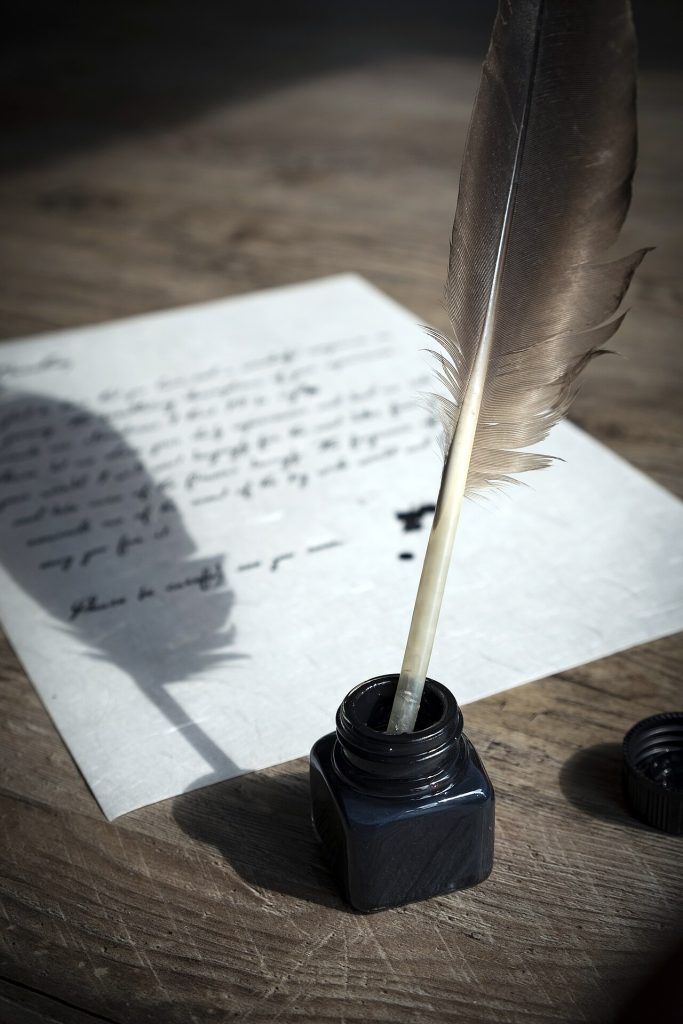
Letter templates take the stress out of writing a formal note, a complaint, a cover letter or a thank-you. They supply the layout and polite phrases, so you only need to add your own facts. Even in the age of email, a well-written letter still gets attention, especially in business, school and official matters.
Letter templates: the standard layout
A typical formal letter has these parts, in order:
- Your name and address.
- The date.
- The recipient’s name, title and address.
- A greeting such as “Dear Ms. Alvarez,”.
- The body, in short paragraphs.
- A closing like “Sincerely,” and your signature.
- Enclosures, if any are attached.
Align everything to the left, leave a blank line between paragraphs, and use a plain font at 11 or 12 points. One page is the usual target.
Writing the body
Open by stating why you are writing. Give the details in the second paragraph: dates, amounts, reference numbers. Close with what you want to happen and by when. Keep sentences short, avoid anger and be specific.
Letters you may need
Cover and application letters
Introduce yourself, match one or two of your skills to the job and ask for an interview. Keep it to three or four short paragraphs.
Complaint letters
Describe what happened, what you expected and what remedy you want. Attach copies of receipts, never originals. For bigger disputes, see small claims court guide.
Request and permission letters
Be clear about what you are asking, and give the reader an easy way to reply.
Payment reminders
State the invoice number, amount and due date politely. Pair with invoice templates so the figures match.
Thank-you and condolence notes
Keep these personal and sincere. A short, handwritten note often means more than a long printed one. After an event, you might follow up an invitation, see invitation templates.
Tone and word choice
Match tone to the reader. A letter to a landlord should be firm but courteous; a note to a friend can be warm and loose. Avoid filler like “I am writing to inform you that” when “I am writing about” will do.
Proofreading steps
- Check names, titles and spellings of each person.
- Confirm dates and amounts.
- Read the letter aloud.
- Remove repeated words.
- Print it and read it once on paper; errors show more clearly.
Sending and keeping copies
Email as a PDF if allowed, otherwise print and sign in blue or black ink. Send important letters by tracked mail and keep a copy with proof of postage. If the letter has legal weight, like a tenant notice, read tenant rights basics first.
Examples of opening lines
For a request: “I am writing to ask whether I may use the community hall on 12 October.” For a complaint: “I am writing about order 48213, which arrived damaged on 3 March.” For a reference: “It is a pleasure to recommend Sam Rivera, who worked with me for three years.”
Email or paper?
Email suits quick business exchanges, while paper suits formal notices and personal gestures. If you email a letter, attach it as a PDF and keep the message short. Whichever you use, keep the wording clear, courteous and brief, and your reader will thank you.
Keeping a personal letter bank
Save the letters you write most often, such as references, requests and thank-you notes, in a folder. Remove names and dates, so each one becomes a clean starting point. Next time, you only need to personalise a few lines, and the result still reads as a thoughtful, individual message.
Formatting for email and print
If you send a letter by email, paste the body into the message, not just an attachment, and mention the attachment in the first line. For print, use standard paper, black text and a clean font. Avoid colourful backgrounds that waste ink. Sign above your typed name, in blue or black ink, if the letter is going on paper.
When to follow up
If you do not hear back within the time you set, send a short polite reminder with the date of your original letter. Keep every message calm and factual. A clear paper trail helps if you later need to escalate to a manager, regulator or small claims court.
Writing in another language
If you need to write to someone in another language, keep sentences short and avoid idioms. Ask a native speaker to check it. Simple, respectful wording is better than complicated phrases that might be misunderstood.
Frequently asked questions
Is “To whom it may concern” acceptable?
It works if you cannot find a name, but try a quick search or call first.
Can I use a letter template in Google Docs?
Yes. Docs includes several, and you can save your own.
How do I end a letter?
“Sincerely” for known names, “Yours faithfully” in British style for unknown ones.

Written by thadmin_r7
The Templates Hub editorial team writes practical, plain-English guides for everyday readers.
More articles by this author →
Point of Care Medicine Templates: Types, Benefits and Risks
In a busy clinic, documentation competes with the patient for attention. Point of care medicine templates are structured…
One Pager Templates: Layouts and Tips for a Clear Summary
Busy people rarely read long documents, which is why a single page can carry more weight than twenty.…
Google Drive Templates: Organise and Reuse Your Files
Most people treat Drive like a junk drawer where files go to be lost. A cleaner approach is…
Microsoft Word Templates: Find, Edit and Build Your Own
Word has been the default tool for letters, reports and CVs for decades, and Microsoft Word templates are…