
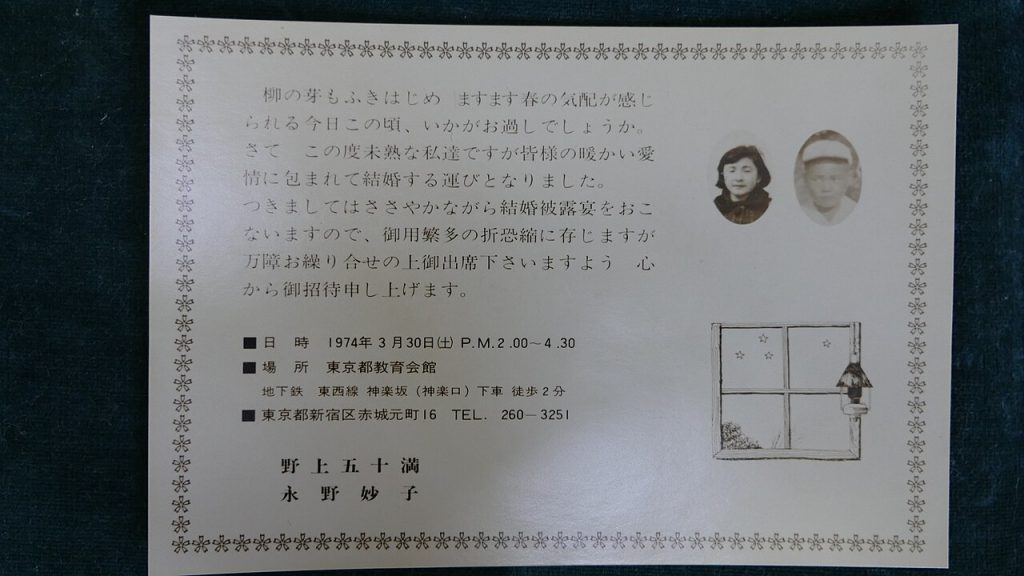
The invitation is the first glimpse guests get of your wedding, and it carries a lot of practical information in a small space. Wedding invitation templates help you cover the essentials and give you a professional layout, whether you plan to print, email or do both. Here is how to choose one and fill it in without missing anything important.
What the invitation must say
Guests need answers to a handful of questions. Who is getting married? When and where? What is the dress code, if any? How do they respond? A well-organised template provides space for these in a clear order.
- The names of the couple, usually the most prominent text.
- The date and time of the ceremony.
- The venue name and address.
- Details of the reception, if it differs from the ceremony.
- RSVP instructions and a reply date.
- Optional lines for dress code, accommodation or a website.
Choosing a style
Layouts range from formal and traditional to relaxed and modern. Formal designs use serif lettering, centred text and plenty of white space. Modern ones lean on clean sans-serif fonts and bold colour. Whatever you choose, the style should match your event. A beach ceremony and a black-tie hotel dinner suggest very different looks.
Wording that feels like you
Traditional wording names the hosts, such as parents, and asks for the “honour of your presence”. Many couples now host their own weddings and use warmer, simpler language: “Together with their families, Alex and Sam invite you to celebrate their marriage.” Pick a tone you would actually use out loud. Read the text aloud, and if it sounds stiff, loosen it.
Practical layout tips
Keep fonts to two. Make sure the date and place are easy to read from arm’s length. Leave margins that stay clear of the paper edge, particularly if you print at home or use a printer that needs bleed. If you add a decorative border or pattern, check that it does not overpower the text.
Print or digital?
Printed invitations feel special and work well for older relatives. Digital ones are quick, cheaper and let you track replies. Many couples mix the two, sending paper to some guests and links to others. If you print, choose paper that matches your style. Thicker stock feels luxurious, while lighter paper keeps costs down and suits a casual look. Ask your printer for a sample before ordering the full run.
Timing
Send invitations early enough for guests to plan, particularly if they need to travel. Many couples send formal invitations several weeks to a couple of months ahead, and send a save-the-date card sooner for destination weddings. Set your reply date with enough time to finalise numbers for the venue and caterer.
Proofread twice
Spelling mistakes on a wedding invitation are painful and permanent once printed. Check names, dates, the day of the week and the address. Ask two other people to read it too. If you can, print a single copy and read it on paper rather than on a screen.
Related stationery
Invitations are only one piece. You may also need reply cards, programmes, menus, place cards and thank-you notes. A consistent style across them makes the wedding feel cohesive. Our related guide on wedding invitations templates looks at the full suite and how to coordinate it.
Working with design tools
Many people edit templates in word processors, slide software or online design tools. If you use a word processor, our notes on word templates help you keep layouts tidy. For printing, check the print-ready tips in sticker templates, which cover bleed, safe zones and file settings that also apply to cards.
A short checklist
- All essential details included.
- Spelling and dates checked.
- Readable fonts at a good size.
- Paper and finish tested with a sample.
- RSVP method simple and clear.
- Delivery date and reply deadline planned.
Wording for different situations
If both families host, name them together in a single line and avoid ranking one above the other. If the ceremony and reception are at different places, list each with its time and address. For a smaller guest list, a warm, personal line such as “we would love you to share our day” feels genuine. If children are not invited, a gentle note on the reply card, or a personalised name on the envelope, makes the point without awkwardness.
Accessibility for guests
Include information that helps people plan: step-free access, parking and the approximate finish time. Use a font size that older relatives can read comfortably, and give a phone number alongside any website, since not everyone prefers online forms.
Closing
Choose a template that fits your style, write in your own voice and check every detail twice. A simple, clear invitation is always better than a complicated one. For background on traditions, see wedding invitation on Wikipedia.

Written by thadmin_r7
The Templates Hub editorial team writes practical, plain-English guides for everyday readers.
More articles by this author →
Save the Date Templates: Wording, Timing and Design
Save the date templates exist for one simple reason: guests need to block out a day long before…

Free Online Invitation Templates: Edit, Share, and RSVP
There is a particular convenience in making an invitation without installing anything. You open a page, choose a…

Invitation Templates for Weddings, Parties and Events
Invitation templates give you a polished layout for weddings, birthdays, baby showers and work events without hiring a…

Wedding Invitations Templates: Building a Matching Suite
Wedding invitations templates for a full matching set: save-the-dates, invites, RSVP cards and thank-you notes with one colour,…