
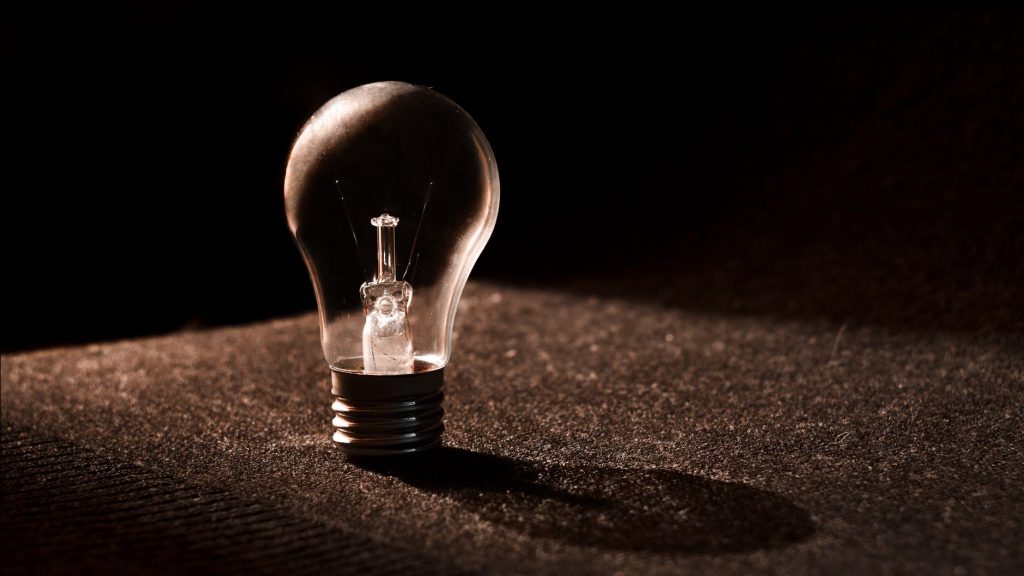
Walking through a room lit by bright, white light, you might not realize what’s creating that glow. The choice of light source can really impact your energy bill and the overall vibe of your home. Let’s dig into which objects convert electricity to light and how they stack up against each other.
Understanding how different light sources work is important. They don’t just brighten a space—they also vary in costs, efficiencies, and how long they last. With this knowledge, you can make smart choices for your household’s lighting needs.
How Light Bulbs Work
At their core, light bulbs convert electrical energy into visible light. This process differs by bulb type. Traditional incandescent bulbs work by passing electricity through a thin filament. This heats it up, producing light, but it’s inefficient—much of that energy gets lost as heat rather than light.
In contrast, LED (light-emitting diode) bulbs use semiconductor tech. Electricity goes through the semiconductor and causes a reaction that creates light. This method is much more efficient. From what I’ve seen, LEDs can use about 75% less energy than incandescent bulbs, yet still give off the same brightness. For many households, this efficiency really helps cut down on electricity bills.
Types of Light-Emitting Objects
There are several distinct objects that convert electricity to light, each bringing its own pros and cons:
- Incandescent Bulbs: Old-school bulbs with a warm glow, lasting about 1,000 hours.
- CFL Bulbs: Compact fluorescent lamps that use about 70% less energy, with lifespans up to 10,000 hours—though they have small amounts of mercury, needing special disposal.
- LED Bulbs: The modern go-to, super efficient, lasting between 15,000 and 25,000 hours, and producing less waste heat than others.
- Halogen Bulbs: A type of incandescent that’s a bit more efficient and lasts about 2,000 hours but isn’t as great as LEDs.
Each of these options converts electricity to light differently, leading to differences in energy consumption and performance.
Energy Consumption Comparison
Lighting can take a big chunk of the average household’s energy use. In the U.S., the average home uses around 900 kWh per month, with lighting making up about 10% of that.
Here’s a quick look at energy use for different bulb types:
- Incandescent Bulbs: Typically use 60 watts for standard brightness.
- CFL Bulbs: Use around 13-15 watts for similar brightness.
- LED Bulbs: Only need about 8-12 watts for the same light output.
Switching from incandescent to LED can save you a lot. For example, replacing a 60-watt incandescent bulb with a 10-watt LED could lead to savings of over $100 on energy costs over the bulb’s lifetime. That’s no small change!
Lifespan of Various Bulbs
How long a bulb lasts really affects its efficiency and cost-effectiveness. Here’s how different types generally measure up:
- Incandescent Bulbs: Last about 1,000 hours.
- CFL Bulbs: Last around 7,000-10,000 hours.
- LED Bulbs: Can last an amazing 15,000-25,000 hours.
Choosing longer-lasting bulbs means fewer replacements, which saves money and reduces waste. A good quality LED bulb usually costs about $10, but considering how long it lasts and its efficiency, it quickly pays for itself. Even so, I’m sometimes unsure of their light quality versus traditional options.
Choosing the Right Bulb for You
When you’re figuring out which object converts electricity to light best for your needs, think about a few key factors:
1. Purpose: Different areas need varying brightness levels and light types.
2. Energy Efficiency: If saving on bills matters, LEDs are definitely the frontrunner.
3. Lifespan: Consider how often you’re okay with switching out bulbs. LEDs will need fewer replacements.
4. Costs: While LEDs might be pricier at first, their energy savings and long lifespan make them more economical overall.
By weighing these factors, you can choose the best lighting for your home while keeping energy use and costs in check.
FAQs
What is the most energy-efficient light bulb?
LED bulbs are the most energy-efficient, using about 75% less energy than identical incandescent bulbs.
How long do LED bulbs last compared to incandescent?
LED bulbs can last up to 25,000 hours, while incandescent bulbs typically last around 1,000 hours, making LEDs much longer-lasting.
Can you replace incandescent bulbs with LED?
Yes, you can replace incandescent bulbs with LED bulbs easily. Just ensure you choose the right wattage equivalent for the brightness level you need.

Written by thadmin_r7
The Templates Hub editorial team writes practical, plain-English guides for everyday readers.
More articles by this author →
The Critical Role of IT Support for Finance in 2023
IT support for finance is essential in 2023, addressing regulatory compliance, cybersecurity threats, and operational efficiency while enabling…

Best Budget Laptops for Amazon Prime Day 2023 Deals
Score big savings with Amazon Prime Day Laptop Deals on July 11-12, featuring top-rated budget laptops under $500…
Technology in the 1960s Shaped Our Modern World Today
The impact of technology in the 1960s is profound, shaping modern computing, space exploration, and consumer electronics, laying…
How Hard is Electrical Engineering? Real Facts and Insights
Electrical engineering presents significant challenges, with a dropout rate of nearly 20%. Understanding how hard electrical engineering is…