
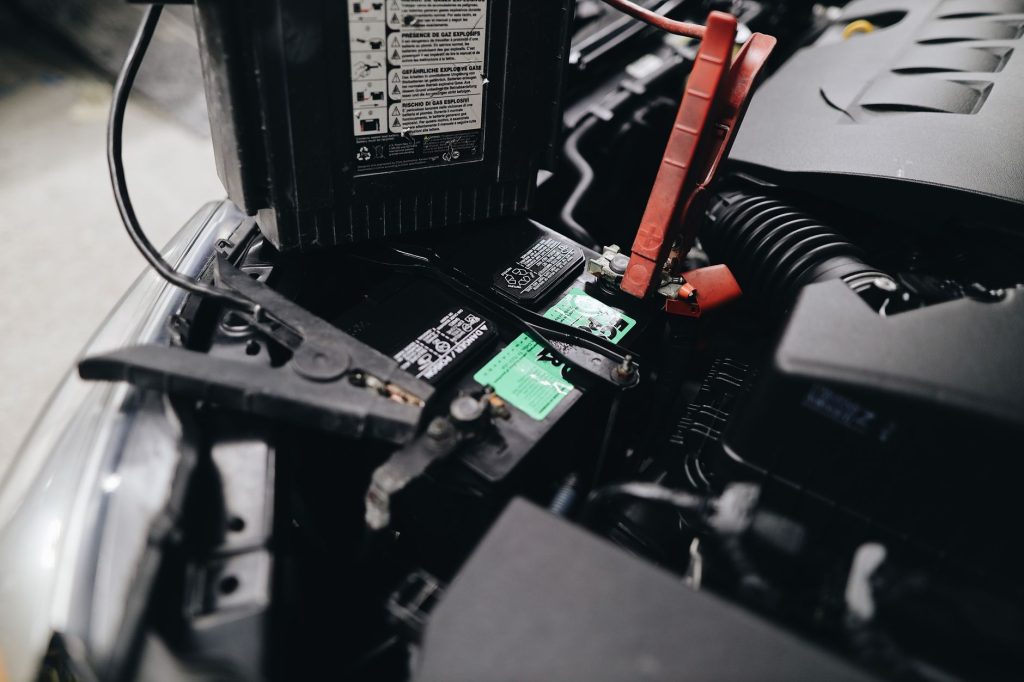
You’d be surprised how many folks don’t realize that batteries are DC, not AC. Understanding this difference is really important if you want to get a grip on electronics. Let’s break it down.
In simplest terms, alternating current (AC) and direct current (DC) are two kinds of electrical flow. In AC systems, the current swaps direction periodically. In contrast, DC systems have a current that flows consistently in one direction. This basic knowledge helps appreciate why batteries are mainly DC and how they fit into various applications.
What are AC and DC?
AC (Alternating Current) is what you find in home outlets and power grids. It’s efficient for sending electricity over long distances since it can be transformed into higher voltages, leading to less energy loss during transmission.
DC (Direct Current) is more stable and keeps a constant voltage. I’ve found this consistency is perfect for electronic devices and batteries, where you need a steady power source. Batteries put out voltage in DC form, and many gadgets—like smartphones and laptops—run on DC, often supplied by batteries or adapted from AC.
Battery Types
When it comes to batteries, you’ll encounter several types, but two common ones are lead-acid and lithium-ion.
– Lead-Acid Batteries: These traditional batteries are commonly used in cars and are usually 12V systems. They’re reliable and can deliver high starting currents but tend to be heavy and less efficient than newer types.
– Lithium-Ion Batteries: Widely used in mobile devices and consumer electronics, these batteries offer higher energy density, lighter weight, and longer life cycles compared to lead-acid batteries. Most operate at voltages between 3.7V and 48V, depending on their use.
Ultimately, both battery types output DC voltage and are selected based on what the application needs in terms of power and efficiency.
Battery Voltage Levels
Different applications demand different voltage levels. Here’s a quick look:
– 12V Batteries: Common in cars and small devices. Their reliability makes them great for starting engines and powering vehicle accessories.
– 48V Batteries: Gaining popularity in electric bikes and solar energy systems, offering better efficiency and performance thanks to their higher voltage.
Understanding voltage levels is crucial when selecting batteries because using the wrong voltage can damage your devices or affect performance.
Battery Applications
Batteries are everywhere in our daily lives. They power everything—from our cars to our smartphones.
– Automobiles: 12V lead-acid batteries are vital for starting engines and running electrical systems in vehicles.
– Electronics: Lithium-ion batteries are the heart of portable electronics—think laptops, smartphones, and tablets. They’re lightweight and efficient, extending use time.
– Renewable Energy: 48V batteries store power from solar panels, making renewable energy systems more efficient for home use.
In short, batteries are essential for anything requiring portable power. Knowing their type and voltage is key to using them effectively.
AC vs. DC Efficiency
When you stack up AC and DC systems, you’ll notice each has its perks. AC is fantastic for long-distance transmission, but when it comes to batteries and devices, DC is generally more efficient.
A big factor is energy loss during transmission. AC systems need transformers, which can create inefficiencies, especially over long distances. In contrast, DC systems are more straightforward and reduce energy loss during conversion—this is why they’re often preferred for battery power.
If you’re evaluating a battery-powered device, DC is usually a better choice due to its efficiency and stability.
Choosing the Right Battery
Knowing that batteries work as DC power helps clarify their role in everyday devices. Batteries inherently produce DC voltage, so understanding this can guide your decisions. Efficiency, voltage requirements, and battery type all matter.
By getting these concepts down, you’re better equipped to make smart choices about your electronics, vehicles, and renewable energy systems, ensuring you stay powered when it counts.
FAQs
Are all batteries DC?
Yes, all batteries generate direct current (DC) voltage, providing a steady flow of electricity in one direction.
Can batteries convert AC to DC?
Batteries can’t convert AC to DC by themselves; devices like rectifiers handle that conversion, letting batteries recharge from AC sources.
What appliances use AC or DC?
Household appliances like refrigerators and air conditioners typically use AC, while laptops and smartphones use DC, either directly from batteries or converted from AC sources.

Written by thadmin_r7
The Templates Hub editorial team writes practical, plain-English guides for everyday readers.
More articles by this author →
Which object converts electricity to light and highlights the LED advantage
Understanding which object converts electricity to light is essential for making informed choices about home lighting. LED bulbs…

The Critical Role of IT Support for Finance in 2023
IT support for finance is essential in 2023, addressing regulatory compliance, cybersecurity threats, and operational efficiency while enabling…

Best Budget Laptops for Amazon Prime Day 2023 Deals
Score big savings with Amazon Prime Day Laptop Deals on July 11-12, featuring top-rated budget laptops under $500…

Technology in the 1960s Shaped Our Modern World Today
The impact of technology in the 1960s is profound, shaping modern computing, space exploration, and consumer electronics, laying…