

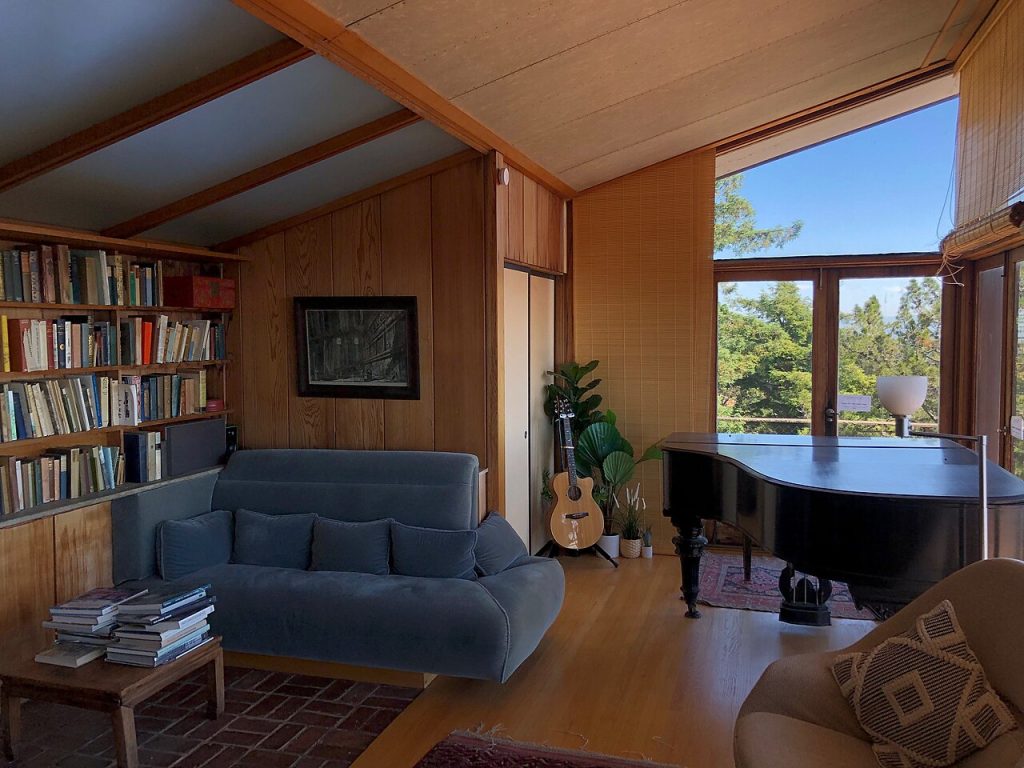
The simplest answer to how to declutter your home is to work one room at a time, starting with the smallest or least emotional space, and to sort every item into keep, donate, or discard before you tidy anything. Do one drawer, shelf, or surface per session and the job stops feeling enormous. Most homes can be reset in a few weekends this way.
How to declutter your home: before you touch a single item
Decluttering fails most often because people start without a plan and end up with piles in every room. A few minutes of setup saves hours later.
- Gather four boxes or bags: keep (and put away), donate, rubbish or recycling, and “belongs elsewhere”.
- Set a timer for 30 to 60 minutes. Stopping while you still have energy makes it easier to return tomorrow.
- Decide where donations will go and when. A bag sitting by the door for a month is just clutter in a new place.
Questions that make decisions easier
You do not need a complicated method. Ask yourself whether you have used the item in the last year, whether you would buy it again today, and whether it has a real place in your home. If the answer to all three is no, it can probably go. Things with genuine sentimental value are a separate case, and we will get to those below.
Start with the easy rooms
When you are deciding how to declutter your home without burning out, begin where the stakes are low.
Bathroom
The bathroom is a good first target because almost nothing in it is sentimental. Check expiry dates on sunscreen, cosmetics, and medicines. Throw away dried-out products, half-used samples you will never finish, and duplicates. Return unused medicines to a pharmacy collection point rather than putting them in the bin or down the drain, where local rules allow.
Entryway and hall
This is the first thing you see when you come home, so a small change goes a long way. Keep only the coats and shoes in current season use, and move the rest to a wardrobe. A single basket for keys, post, and loose items stops things spreading across the nearest flat surface.
The kitchen
Here is how to declutter your home’s most crowded room.
Kitchens collect gadgets faster than any other room. Pull everything out of one cupboard at a time and wipe the shelf before putting back only what you actually use.
- Mismatched food containers without lids.
- Gadgets you used once, such as the extra blender or the sandwich press.
- Chipped mugs and glasses beyond what your household needs.
- Expired tins, spices, and pantry items.
Keep everyday items at easy reach and move seasonal pieces, like a large roasting tin, to a higher shelf. If food is still in date and unopened, a local food bank may accept it.
Living room and bedroom
Living room
Start with surfaces: coffee table, shelves, the top of the television unit. Remove anything that does not belong and return it to its room. Then look at paper. For books, keep the ones you love or will reread and pass on the rest to a friend, charity shop, or library.
Bedroom and wardrobe
Clothes are the biggest challenge for most people. Take everything out of one section and put back only what fits, is in good repair, and that you would happily wear this month. A simple trick is to turn all hangers backwards and flip them the right way after you wear something. After a season, the items still facing backwards tell you what you do not reach for. If you want a longer-term approach to fewer, better clothes, our capsule wardrobe guide walks through it.
Paper, sentimental items, and the garage or storage areas
Paperwork
Keep a small folder for documents that matter, such as identity papers, property and insurance documents, and tax records. How long you need to hold tax and financial paperwork depends on where you live, so check your own country’s guidance before shredding anything. Scan what you can and shred the rest.
Sentimental items
Do these last, once you have built momentum. Keep a single memory box per person rather than keeping everything. Photographing a child’s drawing or a souvenir lets you remember it without storing it.
Garage, loft, and sheds
These spaces often hold things you have not seen in years. Group items by type, such as tools, camping gear, and paint, and set a limit. Old paint, batteries, and electronics usually need special disposal, so check with your local council or recycling centre.
Keeping it from coming back
Knowing how to declutter your home is only half the job. The rest is changing how things enter your home. A few habits help: a “one in, one out” rule for clothes and kitchen items, a weekly five-minute reset, and a pause of a day or two before non-essential purchases. If you have just finished a big clear-out and want to build other routines, a steady start to the day can help too, as we describe in how to build a morning routine.
| Room | Typical time | First thing to tackle |
|---|---|---|
| Bathroom | 30 to 45 minutes | Expired products |
| Entryway | 20 to 30 minutes | Out-of-season coats and shoes |
| Kitchen | 2 to 3 hours | One cupboard at a time |
| Living room | 1 to 2 hours | Surfaces and loose paper |
| Bedroom | 2 to 3 hours | Clothes that do not fit |
| Storage areas | A full day | Sort by category |
Use these times as a rough guide to how to declutter your home in stages; they and will vary with the size of your home. For more ideas on simplifying everyday life, browse our lifestyle articles.
Frequently asked questions
Further reading: Wikipedia overview: Minimalism.

Written by Templates Hub
The Templates Hub editorial team writes practical, plain-English guides on law basics, health, lifestyle, business and sports, alongside free website templates and themes. Articles are general information and are reviewed for clarity before publishing.
More articles by this author →
How to Build a Morning Routine That Actually Sticks
Keep it short, anchor it to something you already do, and prepare the night before. A realistic way…
Indoor Plants for Beginners: Easy Choices and Care Basics
Start with forgiving plants, learn your light, and water by touch. A simple guide to keeping houseplants alive…
Capsule Wardrobe: How to Build One Step by Step
A step-by-step guide to building a small, versatile wardrobe: audit what you own, choose a palette, fill the…

Budget Travel Tips: How to See More and Spend Less
Smart ways to cut the cost of flights, lodging, food and activities so your money goes further on…