
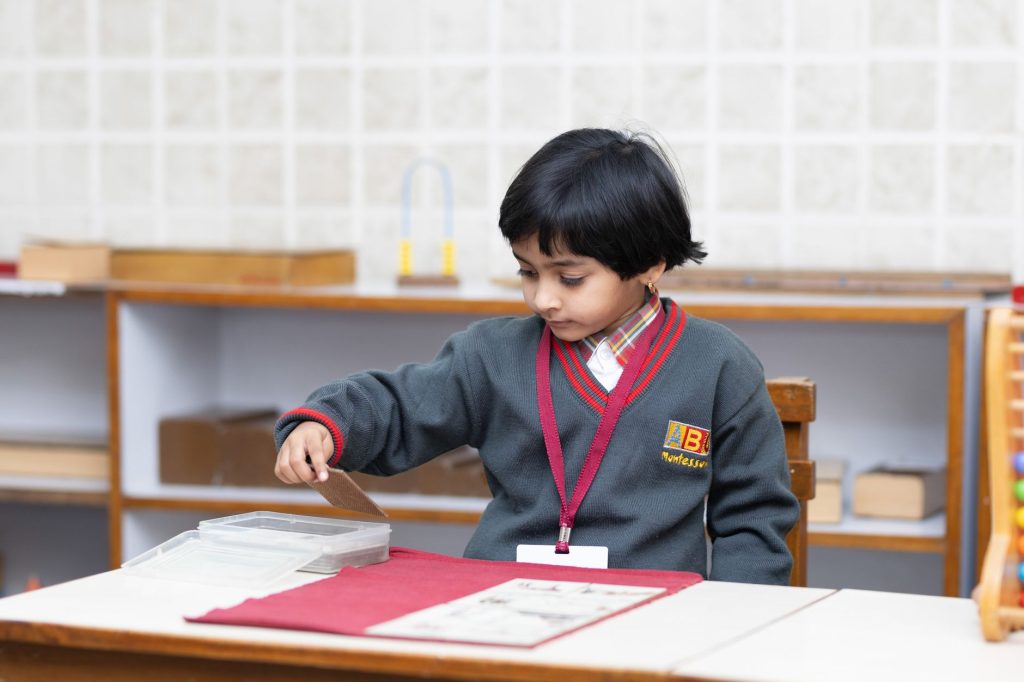
Most people assume figuring out how to start a montessori school requires half a million dollars, custom architecture, and imported beechwood shelving. That assumption keeps capable guides trapped in traditional public school classrooms for decades. You don’t need a cathedral. The original Casa dei Bambini opened inside a rundown tenement block in Rome, using whatever tables Maria Montessori could scrap together. When I helped open our first location eight years ago, we leased a church basement with floral carpet. It wasn’t a glamorous setup. Yet within four months, three-year-olds were slicing bananas and scrubbing tables like little monks.
Finding your initial space
Zoning boards will test your patience faster than a room of tired toddlers. Look for church annexes, shuttered preschools, or commercial storefronts already zoned for educational assembly. Square footage rules vary by state, but you usually need around 35 to 50 usable square feet per child indoors. That calculation excludes bathrooms, hallways, and administrative offices. A friend of mine spent five months fighting a city planner over outdoor playground setbacks before realizing an adjacent public park satisfied the code. Don’t sign a commercial lease until the local fire marshal walks the property with you. A surprise fire sprinkler retrofit can easily cost $25,000 and stall your opening indefinitely.
Licensing and local red tape
State child care licensing manuals look terrifying when they first arrive in the mail. Tackle the requirements room by room instead of trying to master the whole binder in one evening. You’ll need background checks, lead water testing, dedicated handwashing sinks, and strict staff ratios. In our state, mixed-age classrooms routinely confuse licensing inspectors who only understand rigid age cutoffs. I had to sit down with our regional inspector over cheap coffee just to explain why toddlers were carrying glass pitchers. Be polite with them. But keep physical paper copies of every inspection sign-off in a binder near the door, because digital records seem to vanish whenever officials drop by unannounced.
Buying authentic classroom materials
The urge to buy every gleaming wooden apparatus in the supply catalog will wreck your startup budget. Start strictly with the core practical life and sensorial materials. You can make plenty of beginning pouring exercises yourself using thrift store ceramic creamers and dry beans. Premium brands like Nienhuis charge high rates for pink towers and cylinder blocks, though their hardwood lasts for decades. When our budget ran tight on our second room, we ordered several shelf sets from discount overseas suppliers. The finish chipped faster, honestly, which bothered me at the time. Yet the children learned the exact same spatial concepts, and we saved roughly $6,000 on opening inventory.
Hiring your lead guide
A new classroom lives or dies on the temperament of your lead guide. Look for someone with an AMI or AMS credential who actually enjoys speaking with anxious parents. Plenty of certified guides work wonders with children but freeze up completely during adult intake tours. A client of ours hired a brilliant classroom guide who struggled with parent emails, which created tension by mid-autumn. Pay above your local childcare average if the numbers allow it. Offering free tuition for their own children often seals the agreement. Capable guides are exceptionally rare, so protect them from administrative burnout once classes begin.
Enrolling the first cohort
You only need ten to twelve committed families to get your monthly cash flow off the ground. Skip expensive social media ad campaigns during your initial recruitment phase. Host informal weekend open houses where parents can watch their children handle dressing frames or touch sandpaper letters. Word moves through neighborhood parenting groups with remarkable speed once two respected families commit. Last year, another school founder I know offered a modest discount to families paying three months upfront. That early cash reserve funded her liability insurance and initial payroll before opening week.
Keeping the doors open
Running a school is an operational grind that rarely matches the quiet imagery in pedagogical textbooks. Toilets back up on parent observation mornings. Some nights you will mop the entryway floors yourself after an assistant calls out sick. But watching a timid child prepare a snack completely unassisted makes the paperwork headaches fade. Keep your overhead lean through your first two years, park emergency funds in a separate account, and avoid expanding until your waitlist fills an entire second classroom.
FAQs
How much money is needed?
Most small programs launch on $40,000 to $90,000 by leasing existing spaces and sourcing second-hand gear. Building a dedicated facility from scratch will easily exceed $300,000.
Do I need Montessori certification?
Owners do not need teaching credentials, but your lead guide must hold an AMI or AMS diploma. You can direct business operations while certified staff handle instruction.
How long does opening take?
Plan for nine to twelve months from your site search to opening day. State licensing reviews, background checks, and local building inspections consume most of that timeline.

Written by thadmin_r7
The Templates Hub editorial team writes practical, plain-English guides for everyday readers.
More articles by this author →
How to Get Your First Freelance Clients
Most first freelance clients come from people you already know. Here is how to sharpen your offer and…

Small Business Bookkeeping Basics for Beginners
Good bookkeeping takes about an hour a week. Learn what to record, which records to keep, and when…

How to Choose a Website Template for Your Business
Pick a template that fits your content, loads fast, and works on phones. Here is a simple checklist…

How to Price Your Services Without Guessing
Work out what you need to earn, count your real billable hours, and choose a pricing model that…