
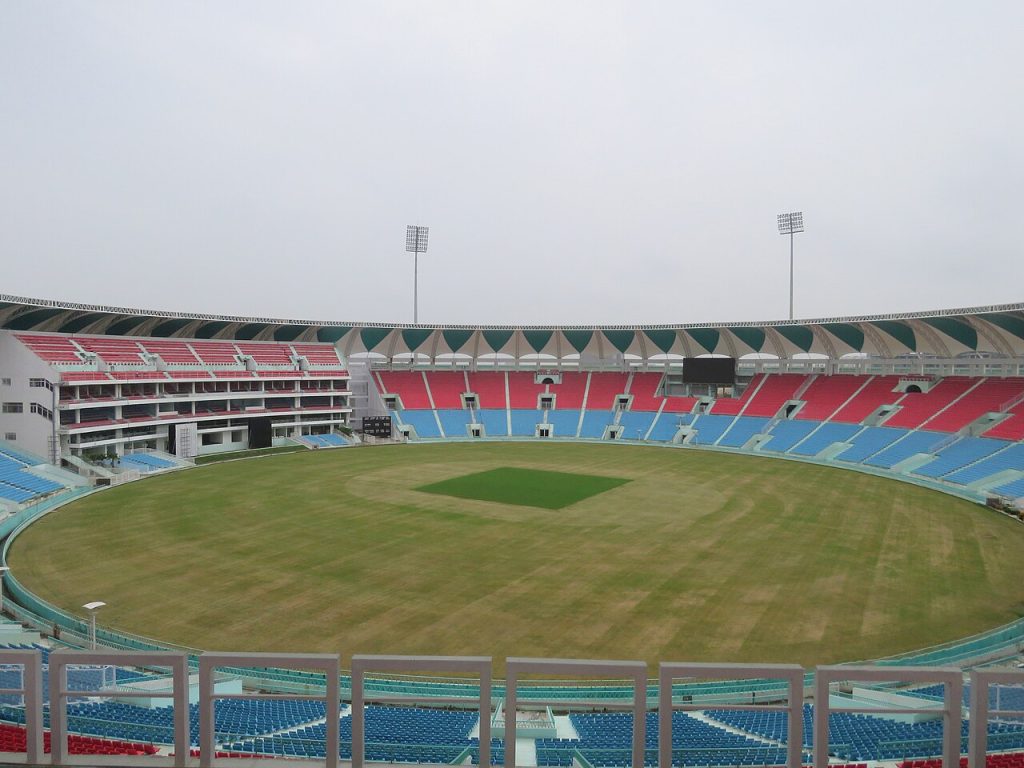
The three main cricket formats are Test cricket, One Day Internationals (ODIs) and Twenty20 (T20). They differ mostly in length: a Test can last up to five days, an ODI is limited to 50 overs per side and usually takes a full day, and a T20 gives each team 20 overs and finishes in about three hours. The basic skills are the same, but the pace and tactics are very different.
A quick refresher on how a match works
Two teams of eleven take turns to bat and bowl. An over is six legal deliveries from one bowler. The batting side tries to score runs, and the fielding side tries to dismiss batters, usually by bowling them out, catching them or getting them out lbw (leg before wicket). A team’s turn to bat is called an innings, and it ends when ten batters are out or, in limited-overs games, when the overs run out.
Test cricket
Test cricket is the oldest and longest of the cricket formats. The first Test match was played in Melbourne in 1877 between Australia and England, and the format has been the heart of the game’s tradition ever since.
- Length: up to five days, with each team normally batting twice.
- Overs: no limit per innings. A side bats until it is all out or declares.
- Ball and kit: traditionally a red ball and white clothing. Some day-night Tests use a pink ball under floodlights.
- Results: a win, a loss, a draw or, very rarely, a tie.
To win a Test, a team must score more runs than the opposition across the match and also bowl the opposition out twice. That second part is what makes the format so demanding. A team can be well ahead on runs and still draw if the opposition survives until time runs out.
What it tests
Because there is no over limit, patience and stamina matter. Batters build innings slowly, bowlers work in spells to wear down the opposition and captains must think days ahead. Conditions also change as the pitch wears, which often helps spin bowlers late in a match.
One Day Internationals
The ODI was created as a shorter alternative. The first official one-day international was played in Melbourne in 1971 after a Test match there was rained off. The format grew quickly, and the first men’s Cricket World Cup followed in 1975.
- Length: one innings per side, usually 50 overs each, so a match fills most of a day.
- Bowling limit: each bowler can bowl a maximum of ten overs.
- Fielding rules: restrictions on how many fielders can be outside the inner circle at different stages.
- Results: a win, a loss, a tie or a no result if weather stops play.
ODIs reward a balance of caution and aggression. Teams often play steadily at first, keeping wickets in hand, then accelerate near the end. A well-paced 50-over innings has a shape, with a start, a middle and a finish.
Twenty20
T20 is the shortest of the main cricket formats. It began in English domestic cricket in 2003 and spread quickly around the world. The first men’s T20 World Cup took place in 2007, and the Indian Premier League began in 2008, which helped turn franchise leagues into a major part of the sport.
- Length: 20 overs per side, roughly three hours of play in total.
- Bowling limit: a maximum of four overs per bowler.
- Powerplay: in the first six overs, only two fielders may be outside the inner circle.
- Results: usually a win or a loss, with a Super Over often used to settle a tie in major competitions.
T20 favours big hitting, quick thinking and inventive shots. Every ball counts, and a single over can change the game.
Cricket formats side by side
| Feature | Test | ODI | T20 |
|---|---|---|---|
| Match length | Up to 5 days | About 1 day | About 3 hours |
| Innings per team | 2 | 1 | 1 |
| Overs per innings | Unlimited | 50 | 20 |
| Max overs per bowler | No limit | 10 | 4 |
| Draw possible | Yes | No | No |
| Usual ball and kit | Red ball, whites | White ball, coloured kit | White ball, coloured kit |
Which of the cricket formats should a newcomer watch first?
T20 is the easiest way in. A game is short, the scoring is fast and the result is clear by the end of the evening. Once you know the basics, an ODI shows you how a team builds an innings. Test cricket often comes last, because it asks for more patience, but many fans say it is the most rewarding once the story of a match clicks.
If you are curious about other games with their own rules, our guide to the offside rule in football is a good next read. For more, visit the sports category. If playing yourself sounds appealing, a gentle warm-up routine before you take the field is worth learning.
Frequently asked questions
How many players are in a cricket team?
Each side has eleven players on the field in all three formats. Only two batters from the batting side are on the pitch at a time, while the fielding side has all eleven, including the bowler and wicketkeeper.
Why can a Test match end in a draw?
A Test has a fixed amount of playing time. If the team batting last has not been bowled out and has not reached the target when time ends, the match is drawn. There is no over limit to force a result.
What is a Super Over?
A Super Over is a one-over-per-side tiebreaker used in some limited-overs matches, mainly T20. Each team picks batters and a bowler, and the team scoring more in that single over wins, subject to the competition’s rules.
Which of the cricket formats is the oldest?
Test cricket. The first Test was played in 1877, nearly a century before the first ODI and more than a century before T20 arrived.
Further reading: Wikipedia overview: Cricket.

Written by Templates Hub
The Templates Hub editorial team writes practical, plain-English guides on law basics, health, lifestyle, business and sports, alongside free website templates and themes. Articles are general information and are reviewed for clarity before publishing.
More articles by this author →
Couch to 5K: An 8-Week Beginner Running Plan
A gentle eight-week plan that takes you from no running to jogging for 25 to 30 minutes, with…

A Short History of the Olympic Games
From ancient Olympia to modern host cities, a short guide to how the Olympic Games began, stopped and…

How to Warm Up Before Sport: A Simple 10-Minute Routine
A simple, equipment-free 10-minute warm-up covering easy cardio, dynamic mobility moves and sport-specific drills.

Basketball Positions Explained: Roles on the Court
What each of the five basketball positions does on the court, and why modern teams treat positions as…