
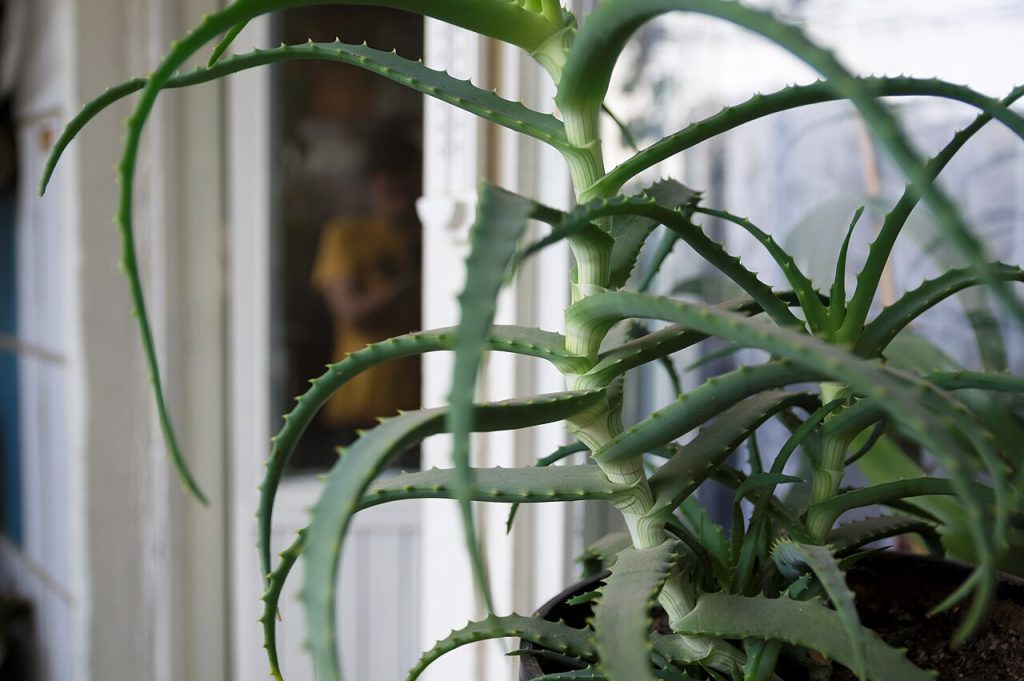
The best indoor plants for beginners are tough, forgiving species like snake plant, pothos, ZZ plant, and spider plant. They tolerate irregular watering and less-than-perfect light. Start with one or two, learn how much light your room really gets, and water only when the soil has dried out a little. Overwatering kills more houseplants than neglect does.
Understand your light first
Before you buy anything, spend a day observing the room. Light is the main thing that decides whether a plant thrives, and it is the factor beginners most often get wrong.
- Bright light: a spot close to a south- or west-facing window (in the northern hemisphere), where the sun reaches the plant for part of the day.
- Medium light: a few feet from a bright window, or in a room with an east-facing window.
- Low light: a north-facing room or a corner far from windows. Few plants grow quickly here, but some survive.
In the southern hemisphere the directions are reversed. A simple test is to hold your hand about a foot above the spot at midday. A sharp, clear shadow means bright light, a soft shadow means medium, and a faint shadow means low.
Easy indoor plants for beginners to start with
| Plant | Light | Watering | Notes |
|---|---|---|---|
| Snake plant | Low to bright | Every 2 to 3 weeks | Very tolerant of neglect |
| Pothos | Low to medium | When top soil is dry | Trailing vine, easy to propagate |
| ZZ plant | Low to medium | Every 2 to 4 weeks | Stores water in its thick roots |
| Spider plant | Medium to bright | When top soil is dry | Produces baby plants |
| Peace lily | Low to medium | Weekly, when it droops | Tells you when it is thirsty |
| Rubber plant | Medium to bright | When top soil is dry | Bold, glossy leaves |
The watering intervals above are rough guides. They change with the season, the pot, and your home’s temperature, so always check the soil rather than following a calendar.
A note on pets
Several popular houseplants, including pothos, peace lily, and ZZ plant, can be harmful if chewed by cats or dogs. If you have pets, check each plant with a reliable source such as your vet or a pet-safety plant list before bringing it home. Spider plants are generally listed as pet-safe.
Watering without guesswork
Watering is the skill that matters most with indoor plants for beginners.
Watering is where most beginners struggle. Roots need air as well as water, and constantly wet soil leads to rot.
- Push a finger about an inch or two (3 to 5 cm) into the soil.
- If it feels dry, water slowly until water runs out of the drainage hole.
- Let the pot drain fully and empty any saucer after about 15 minutes.
- If the soil still feels damp, wait a few more days and check again.
Succulents and snake plants prefer to dry out completely between drinks, while peace lilies like slightly more moisture. In winter, most plants grow more slowly and need less water.
Pots, soil, and feeding
Good basics make indoor plants for beginners far easier to keep.
Choose a pot with drainage
A pot with a hole in the bottom is the simplest way to avoid soggy roots. If you love a decorative pot with no hole, keep the plant in a plastic nursery pot and slip it inside, removing it to water.
Use the right mix
General-purpose potting mix works for most of the plants above. Cacti and succulents do better in a gritty mix with added sand or perlite. Avoid using soil from the garden, which is often too dense and can carry pests.
Feed lightly
Most houseplants only need a diluted liquid feed every few weeks in spring and summer. Follow the instructions on the bottle and skip feeding in winter. More fertiliser does not mean faster growth.
Spotting and fixing common problems
- Yellow leaves: often overwatering, though old leaves also yellow naturally.
- Brown, crispy tips: dry air, underwatering, or mineral build-up from tap water.
- Leggy, stretched growth: the plant wants more light.
- Drooping: check the soil first. It can mean either too dry or too wet.
- Tiny insects or sticky leaves: wipe the leaves, isolate the plant, and treat early.
Change one thing at a time so you can tell what helped. Most plants recover from a mistake if you catch it early.
Making plants part of your routine
Indoor plants for beginners do best with a regular check-in.
A plant is easier to look after when it fits into a habit. Pick one day a week for a quick check of all your plants, perhaps alongside something you already do on that day. If your mornings are rushed, this could be part of a simple routine like those in our guide to building a morning routine. Plants also work well in a tidy room, and our declutter plan can help you free up a bright windowsill.
For more ideas on making your home feel calm and personal, explore our lifestyle articles.
Frequently asked questions
What is the easiest indoor plant to keep alive?
Among indoor plants for beginners, Snake plants and ZZ plants are among the most forgiving. They cope with low light and long gaps between watering, which suits busy beginners.
How often should I water my indoor plants?
There is no universal schedule. Check the soil and water when the top inch or two is dry, and water less often in winter.
Do indoor plants need direct sunlight?
Not all of them. Many tolerate medium or low indirect light, while sun-loving plants like succulents need a bright window. Strong midday sun can scorch the leaves of some species.
When should I repot a plant?
Repot when roots grow out of the drainage holes or fill the pot, usually every one to two years. Choose a pot only slightly larger than the current one, ideally in spring.
Further reading: Wikipedia overview: Houseplant.

Written by Templates Hub
The Templates Hub editorial team writes practical, plain-English guides on law basics, health, lifestyle, business and sports, alongside free website templates and themes. Articles are general information and are reviewed for clarity before publishing.
More articles by this author →
How to Build a Morning Routine That Actually Sticks
Keep it short, anchor it to something you already do, and prepare the night before. A realistic way…
How to Declutter Your Home: A Room-by-Room Plan
A practical room-by-room plan for clearing clutter without burnout, with sorting rules, time estimates, and habits that keep…
Capsule Wardrobe: How to Build One Step by Step
A step-by-step guide to building a small, versatile wardrobe: audit what you own, choose a palette, fill the…

Budget Travel Tips: How to See More and Spend Less
Smart ways to cut the cost of flights, lodging, food and activities so your money goes further on…