
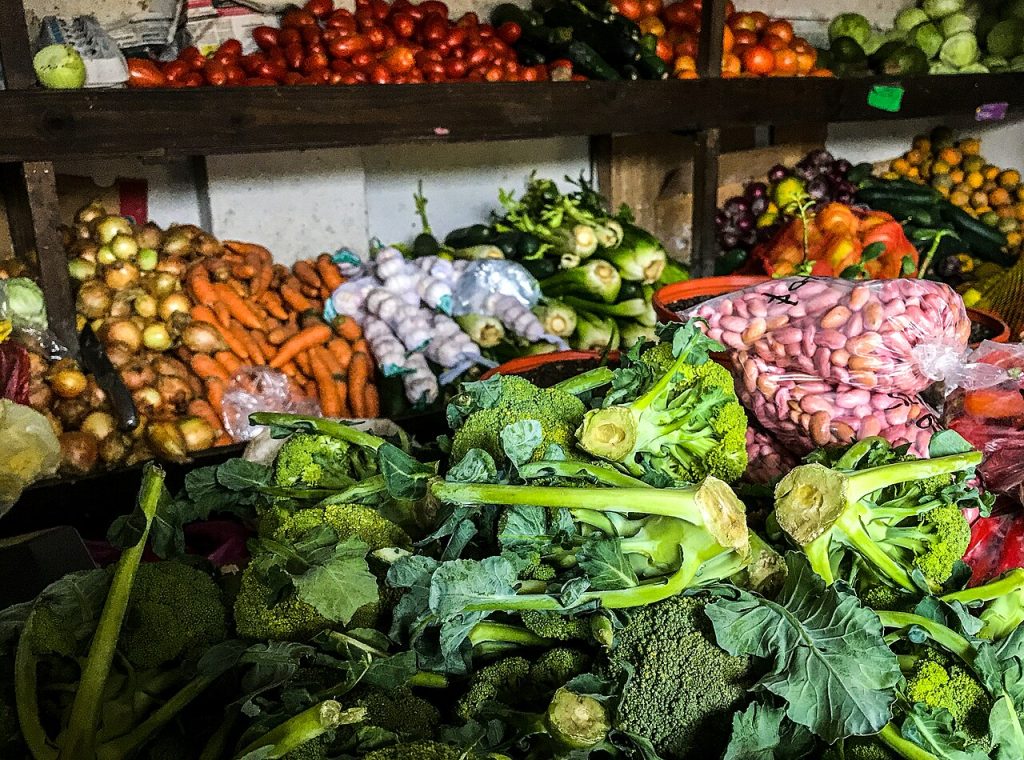
Healthy eating on a budget comes down to a few habits: plan your meals, buy simple whole foods such as beans, oats, eggs, frozen vegetables and seasonal produce, and waste as little as possible. Nutritious food does not have to be expensive, and some of the most filling and nourishing choices are also among the cheapest.
General information only: This article offers general food ideas, not medical or dietary advice. If you have a health condition, food allergy or specific nutritional needs, please speak to a doctor or registered dietitian before changing how you eat.
Healthy eating on a budget starts with a plan, not a shopping trip
Most overspending happens when we shop without a plan. A few minutes of preparation before you go can save more than any coupon.
- Check what you already have in the fridge, freezer and cupboard.
- Pick four or five dinners for the week, with at least one built around leftovers.
- Write a list based on those meals and stick to it.
- Eat before you shop. Hunger makes everything look like a good idea.
You do not need a perfect schedule. A rough idea of the week ahead is often enough to stop the midweek takeaway.
Budget-friendly foods worth keeping in stock
Some foods give you a lot of nutrition and fullness for the price. Keeping a few of them on hand makes healthy eating on a budget easier, because a decent meal is never far away.
| Food | Why it earns its place | Easy ways to use it |
|---|---|---|
| Dried or canned beans and lentils | Protein and fibre at a low cost | Soups, curries, salads, chilli |
| Oats | Filling, cheap and versatile | Porridge, overnight oats, baking |
| Eggs | Affordable protein | Omelettes, boiled, scrambled, fried rice |
| Frozen vegetables and fruit | Frozen soon after picking, no waste | Stir-fries, smoothies, soups |
| Rice, pasta and potatoes | Cheap staples that stretch meals | Bases for almost any dish |
| Canned tomatoes | Cheap flavour base | Sauces, stews, shakshuka |
| Cabbage, carrots and onions | Inexpensive and long-lasting | Slaws, roasts, soups, stir-fries |
Smarter shopping habits
Compare unit prices
The price per 100 grams or per kilogram, usually printed on the shelf label, is a better guide than the sticker price. Larger packs are often cheaper per portion, but only if you will actually use them before they spoil.
Buy seasonal and local when you can
Fruit and vegetables that are in season are usually cheaper and taste better. Markets can be good value, especially near closing time, though prices vary a lot by place and the supermarket may sometimes win.
Do not dismiss own-brand products
Store brands of basics such as oats, tinned goods, rice and frozen vegetables are often much cheaper than named brands for a very similar product. Read the ingredients list, and choose the one you like.
Be careful with convenience items
Pre-chopped vegetables, single-serve snacks and ready meals cost more for the same food. You do not have to avoid them, but swapping a few for do-it-yourself versions adds up over a month.
Cook once, eat twice
Batch cooking is one of the best money-savers for healthy eating on a budget, because it makes use of bulk ingredients and cuts down the temptation to order food on busy days. Make a big pot of soup, stew or curry, then eat some now and freeze the rest in portions.
- Roast a whole chicken or large tray of vegetables, then use the leftovers in wraps, soups and salads.
- Cook extra rice or pasta and turn it into a different dish the next day.
- Freeze bread, bananas and cooked grains before they go off.
- Turn vegetable offcuts and bones into stock.
A tidy kitchen helps here too. If you can see what you own, you are less likely to buy duplicates. Our room-by-room decluttering guide includes the kitchen, and it is a good excuse to clear out the back of the cupboard.
Keeping healthy eating on a budget simple
A balanced plate is a useful picture to keep in mind: plenty of vegetables, a source of protein, some whole grains or starchy foods, and a little healthy fat. You can build this from cheap ingredients, and you do not need specialist products.
Drinks matter too. Water costs almost nothing, and cutting back on sugary drinks can save money as well as sugar. If you are unsure about your intake, see how much water you should drink each day.
Money and food are closely linked, so a simple tracking habit helps. If you run a small business and want to treat your household money with the same care, the ideas in bookkeeping basics apply neatly to a home grocery budget. You can find more everyday wellbeing advice in our health section.
Frequently asked questions
Is frozen fruit and veg as healthy as fresh?
Frozen produce is usually frozen soon after harvest, so it keeps most of its nutrients and is a very good option. It also lasts longer and creates less waste, which is a real advantage when money is tight.
How much should I spend on groceries?
There is no universal figure for healthy eating on a budget, because it depends on where you live, your household size and your needs. Track what you spend for a month, then look for one or two areas where you can cut back without feeling deprived.
What are the cheapest sources of protein?
Beans, lentils, chickpeas, eggs, canned fish, peanut butter and tofu are commonly among the cheaper options in many places. Prices differ by region, so compare unit prices where you shop.
Is organic food worth the extra cost?
That is a personal choice. Eating plenty of vegetables and fruit matters more for health than whether they are organic, so if the price stops you from buying them at all, regular produce is a perfectly good choice.
Further reading: Wikipedia overview: Healthy diet.

Written by Templates Hub
The Templates Hub editorial team writes practical, plain-English guides on law basics, health, lifestyle, business and sports, alongside free website templates and themes. Articles are general information and are reviewed for clarity before publishing.
More articles by this author →
Walking for Fitness: A Beginner’s Guide
Walking needs no gym or special gear. This beginner's guide gives you a gentle four-week plan and tips…

Desk Job Posture: Simple Fixes for Back and Neck Strain
Better desk posture starts with a supportive setup and regular movement. Try these simple fixes to ease back…

How Much Sleep Do You Really Need?
Most adults need seven to nine hours, but the right amount is personal. Learn the ranges by age…

How to Reduce Stress: 10 Practical Techniques
Ten practical, everyday techniques to calm a busy mind, from slow breathing to better boundaries, plus when to…