
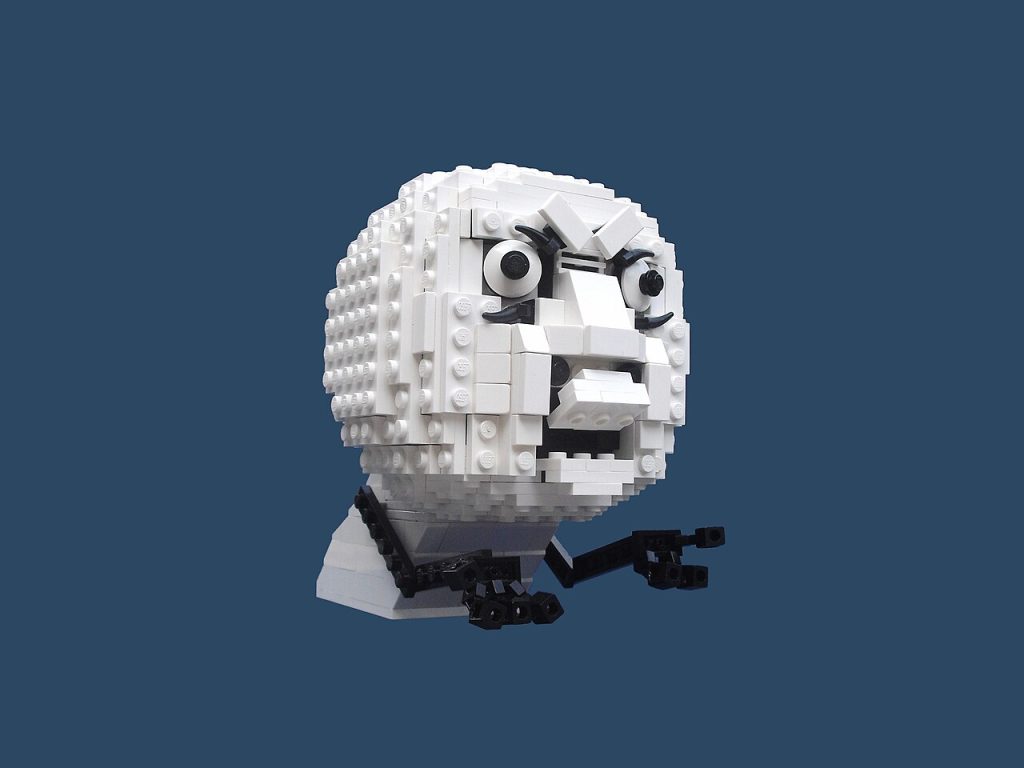
A meme only works when the picture and the caption click in the same second. That is why people hunt for good meme templates: a base image or layout with space left for your own joke. Whether you are making something for a group chat, a brand account or a classroom slide, the template does half of the work, and your caption does the rest.
Below is a practical look at how meme templates work, where to find ones you can safely use, and how to write captions that land instead of falling flat.
What counts as a meme template?
A meme template is a reusable format. Sometimes it is a photo with top and bottom text areas. Sometimes it is a two-panel comparison, a multi-step “expanding” ladder, or a screenshot style layout with a blank speech bubble. The joke lives in the gap between what the image seems to say and what your caption adds.
Because the formats repeat, viewers recognise them instantly. That recognition is the real value: you do not have to explain the setup, only the twist.
Where to find meme templates safely
Popular templates often come from film stills, stock photos or photographs of real people, and that is where trouble can start. Before you publish, think about three things.
- Copyright. A famous photo is still someone’s work. For personal sharing the risk is low, but a business account is a different matter.
- People in the image. Using a private person’s face without permission can be unkind and, in some places, a legal issue.
- Context. Some well-known images have uncomfortable origins. A quick search of the image name before posting saves embarrassment.
The safest route is to use images that are clearly free to reuse, such as public domain pictures or ones released under a Creative Commons licence, or to create your own base image. Wikimedia Commons, for example, hosts a category of freely licensed meme-style pictures, and some are explicitly marked free to use.
Writing captions that work
People often think the template is the hard part. In practice the caption is. A few reliable habits:
- Keep it short. If your caption needs two lines of explanation, the joke is not ready.
- Be specific. “When the meeting could have been an email” is fine, but “When the 40-minute meeting ends with ‘let’s circle back'” is funnier because it is exact.
- Match the format’s logic. A before-and-after layout needs a real contrast. A ranking layout needs items that genuinely differ.
- Read it aloud. Awkward rhythm usually shows up when you say it.
Making your own meme templates
If you post regularly, building a small set of your own formats gives your account a recognisable look. Pick a photo you own, leave a clear area for text, and choose a bold font with a dark outline so the words stay readable on any background. Save it as a layered file so you can swap captions in a minute.
Keep the resolution reasonable. Chat apps and social platforms compress images, so a very large file will not look better but will load slower. Around 1080 pixels wide is plenty.
Using memes for business without cringing
Brands often arrive late to a joke and it shows. If you use memes in marketing, keep the humour about your audience’s shared experience, not about your product. Avoid anything political or sensitive, and have a second person read the caption before it goes live. Our guide to taking a break from your phone is a good reminder that audiences also get tired of constant posting, so quality beats volume here.
It is also worth asking whether the meme fits your goals. A joke that earns a few likes but confuses your message is not a win. If you are unsure how humour fits into a wider plan, the article on email marketing for beginners shows how to balance personality with a clear purpose.
A quick checklist before you post
- Is the image free to use or created by you?
- Would anyone shown in it object?
- Is the text readable on a small phone screen?
- Does the joke make sense without extra context?
- Could it be read as mocking a group of people?
For some background on where the word itself comes from, the Internet meme entry on Wikipedia traces how image macros grew from early forum culture.
Final word
Good meme templates are simple, flexible and respectful of the people in them. Choose images you are allowed to use, write captions that are short and specific, and build a few formats of your own. Done well, a meme is a small piece of design that makes someone smile in two seconds, and that is worth getting right.
Timing and tone: when a meme template backfires
Even a perfectly captioned image can land badly at the wrong moment. If something sad is in the news, a cheerful joke about it will read as tone-deaf. Before posting on a business or community account, take ten seconds to scan the headlines and your own feed. Humour travels best when it is about small, shared irritations, like slow wifi or a printer that jams every Monday, rather than events that hurt people.
It also helps to know your audience’s age and platform habits. A format that is already stale among teenagers may still feel fresh to colleagues, and the reverse is true too. When in doubt, test the caption on one trusted friend and watch their face as they read it.
Image: “LEGO Y U NO meme (Free to use)” via Wikimedia Commons, public domain.

Written by
The Templates Hub editorial team writes practical, plain-English guides for everyday readers.
More articles by this author →
Popular Video Editing Templates and How to Make Them Yours
Watch any tidy short video and you will notice something repeated: the title slides in the same way,…
Social Media Templates: Build a Consistent Content Look
Posting regularly is hard enough without redesigning every image. Social media templates solve this by giving each post…

Live Photo Templates for TikTok: How to Use Them
Live photo templates for TikTok let you turn the short moving pictures from your iPhone into a quick,…
Instagram Templates for Posts, Stories and Reels
Instagram templates are ready-made layouts for posts, carousels, stories and reel covers. They keep your feed visually consistent…